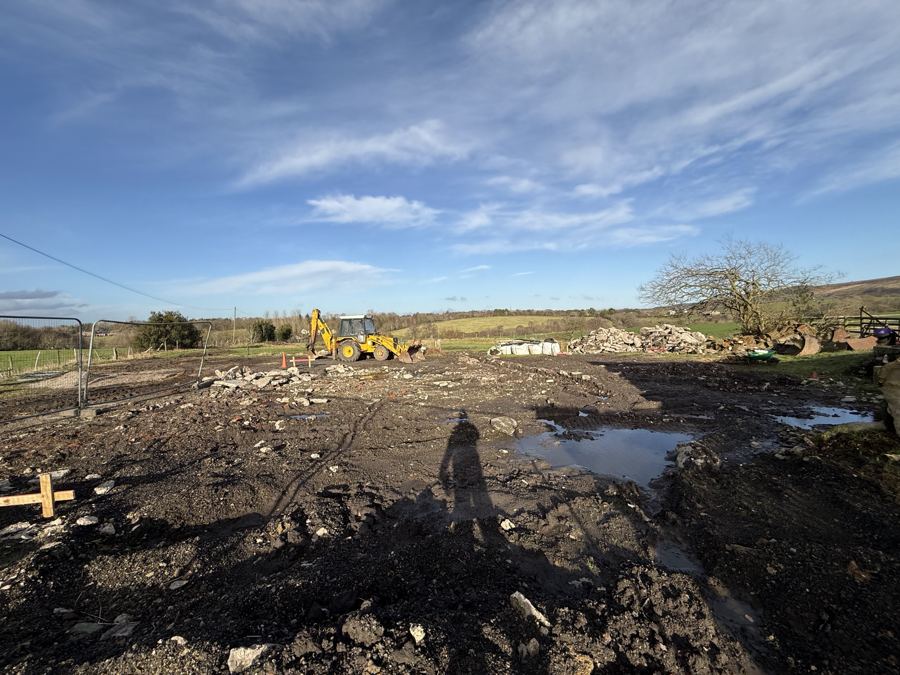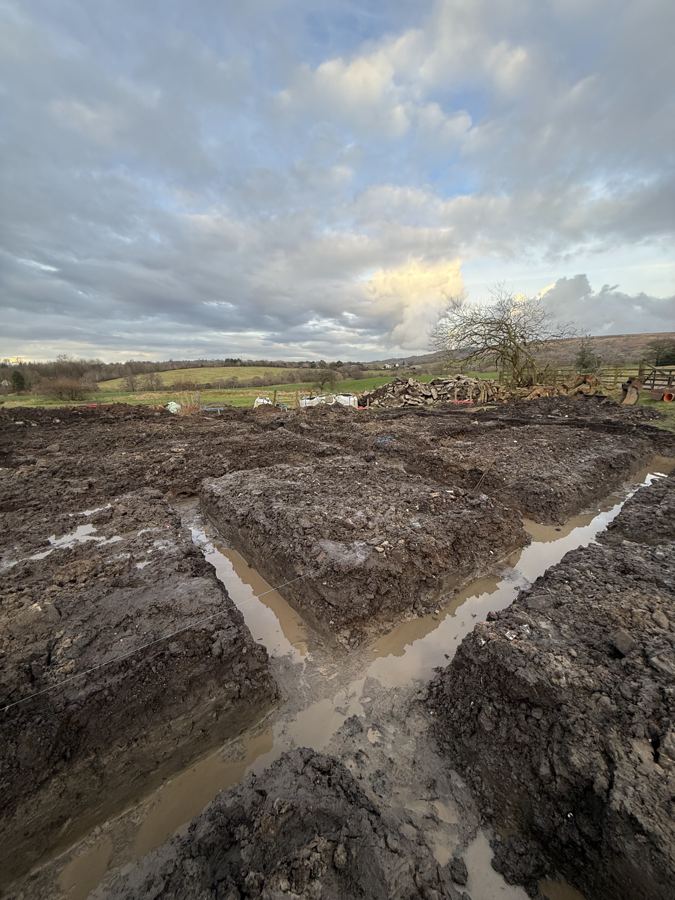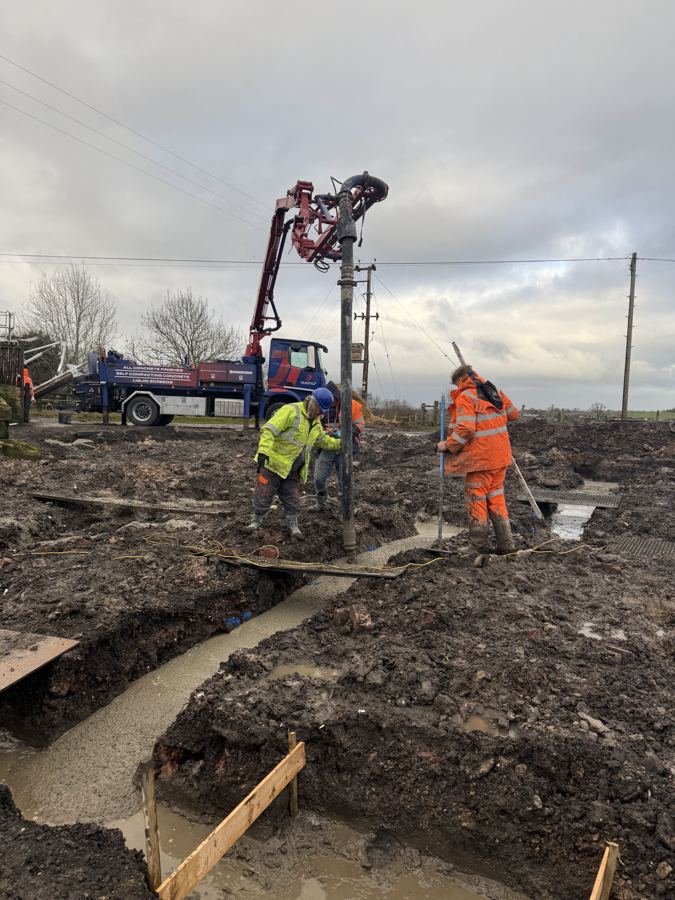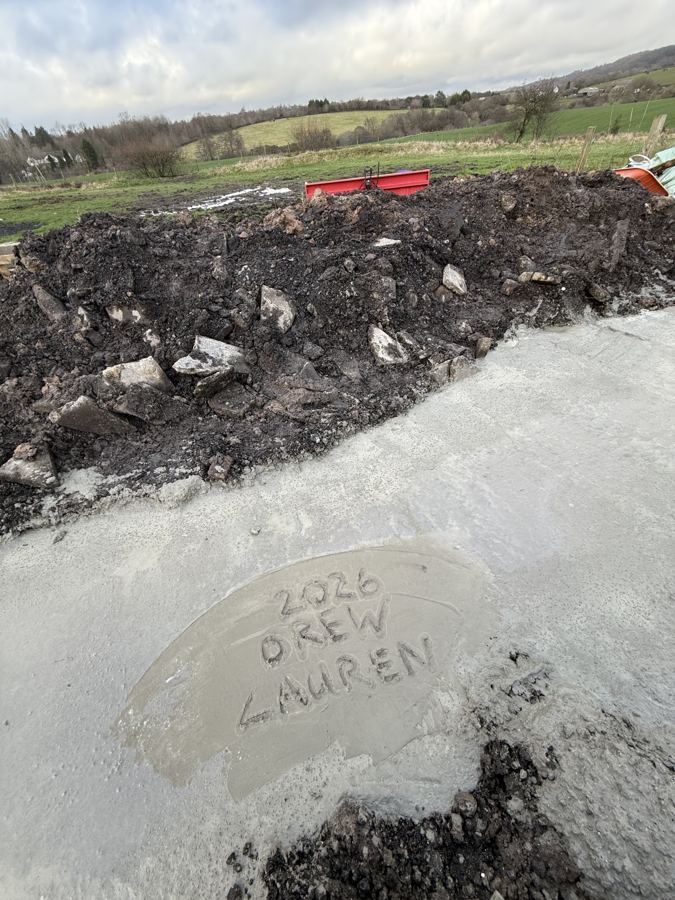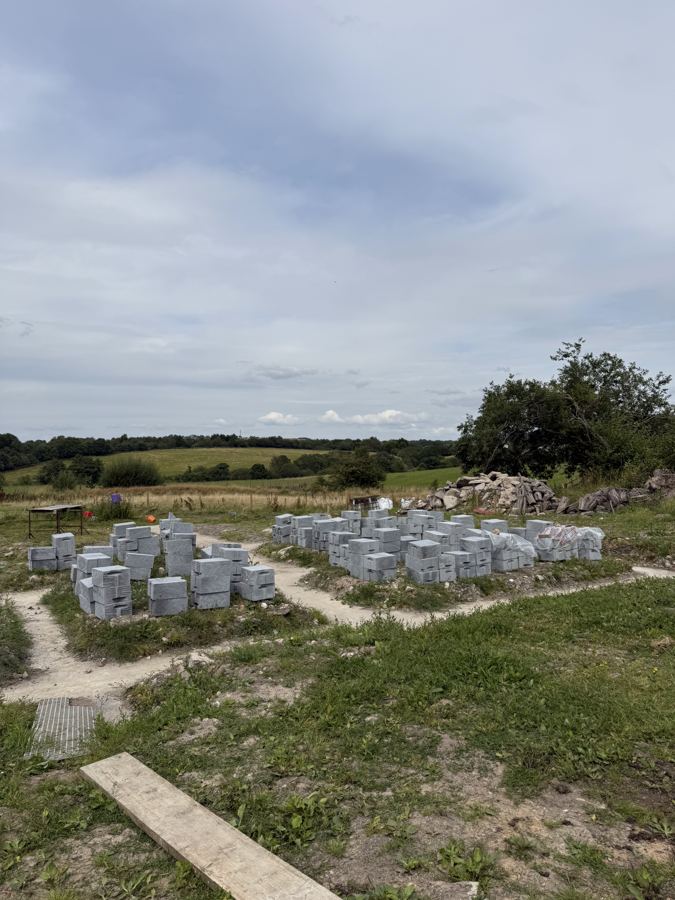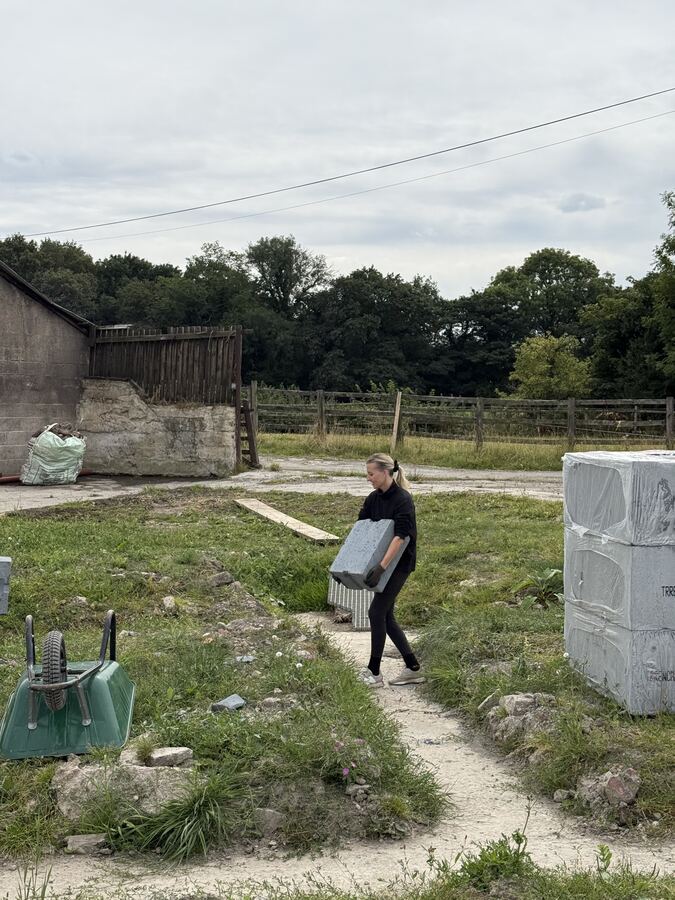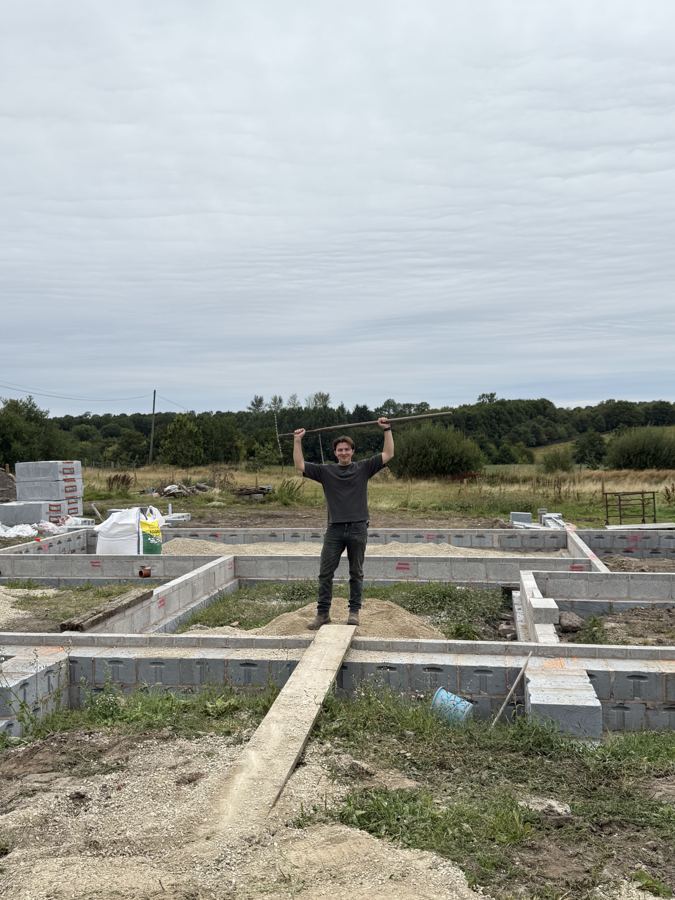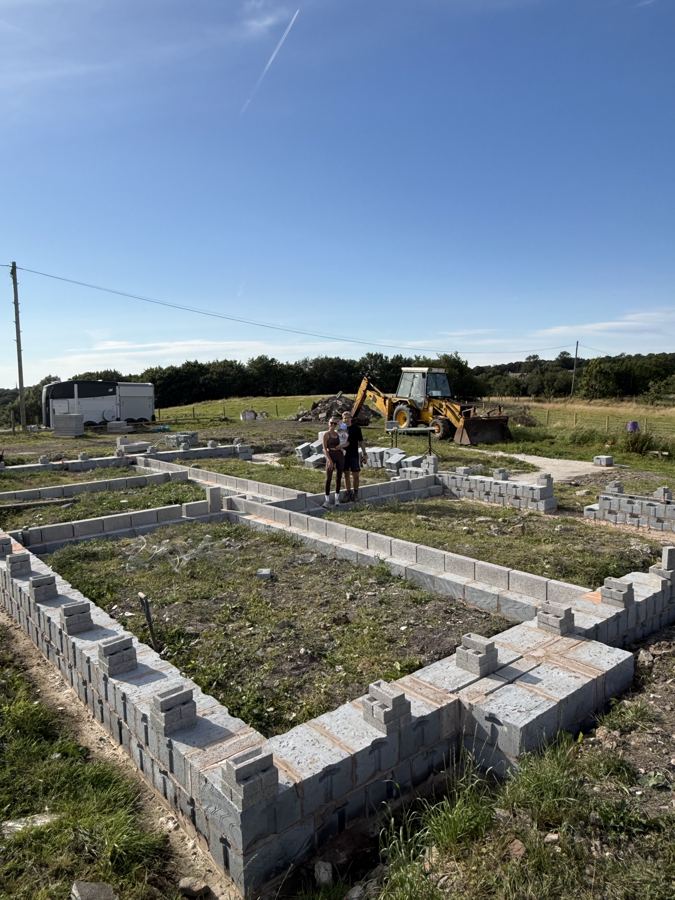
Our story
Four months in, we'd already spent more than the Phase 1 budget, and invoices were arriving from everywhere. Some by email. Some handed over on site in the wettest, windiest weather imaginable, then screwed up and shoved in the glovebox. A surprising number in the post.
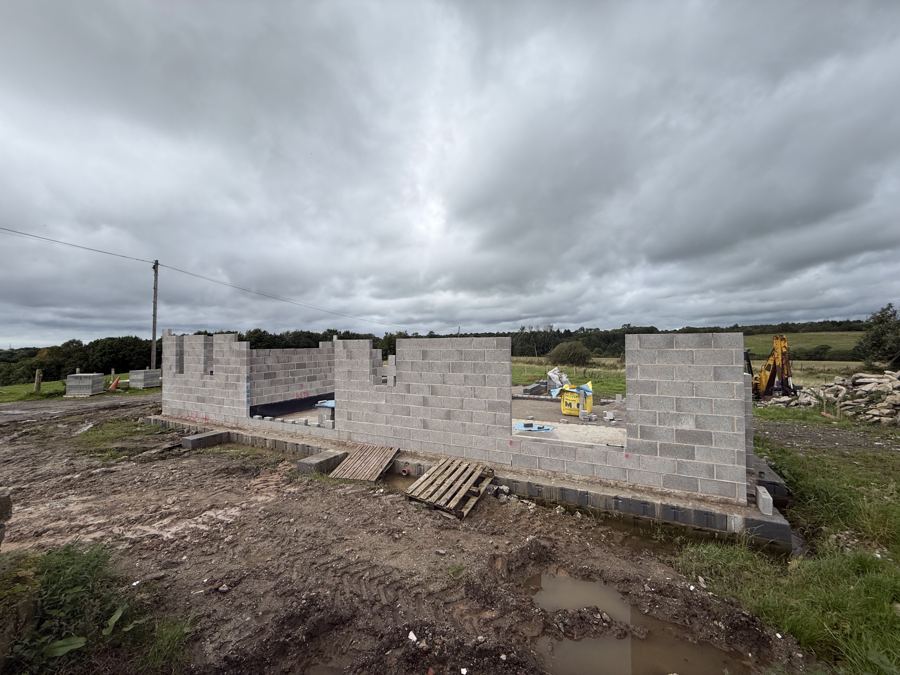
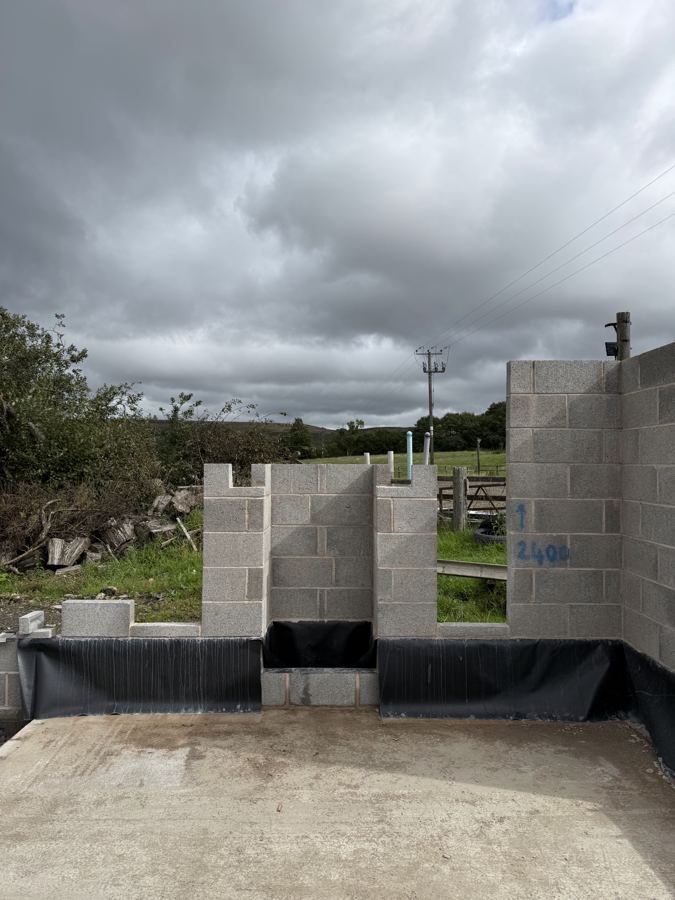
Then, four weeks after our footings were poured, Lauren and I welcomed our baby boy. Very Grand Designs.
With money tight and a newborn in the house, it felt like the moment to work out what we might get back at the end. So I pulled every invoice together.
What I found
One was missing the supplier's VAT number. One was addressed to just my first name: no surname, no address. One had £305 of VAT on groundwork that probably shouldn't have been charged at all. Another mixed things we could claim with things we couldn't, which is an HMRC rejection waiting to happen.
None of that is hard to fix the week an invoice arrives. Two years later, when the merchant's changed systems or the company's stopped trading, it's a very different conversation.
At one point I looked over at our newborn. He was crying. I was looking at a spreadsheet. I felt exactly the same.
How everyone else did it
So I asked friends and family who'd built their own homes. One said his wife ended up doing the claim because he'd run out of patience. They got some VAT back, but less than they'd expected.
Another took a week off work to trawl through his inbox. He's certain invoices got missed, but by then he just wanted it done. A third found problems when it was far too late to fix them. One of the companies had gone bust.
Nobody had a system. It was all versions of the same thing: keep what you can, and deal with it at the end.
One claim, no second go
HMRC's scheme assumes you'll stay organised for two years straight. But self-builders aren't administrators. We've got jobs, families and a building site to run, and the paperwork never feels urgent until suddenly it is.
From completion you have six months to submit one claim. Miss an invoice or get one wrong and that money's gone, at exactly the point the budget's blown, the mortgage is at its biggest and everyone's exhausted.
So I built the thing I wanted
My background's in software, engineering and marketing. I said to Lauren, "Why isn't there something that just does this?" She said, "There must be."
There are people who'll prepare a claim for you once the build is finished, and there are spreadsheets you can keep yourself. What I wanted was something that reads each invoice as it arrives and tells me there and then what's wrong with it, while the merchant will still put it right.
So Footings reads each invoice as you add it, checks it against HMRC's requirements and tells you what's fine, what needs a look, and exactly what to ask the merchant to fix, while there's still time to fix it. Everything's kept safe, with a running total of what you're likely to get back.
We're still building
Footings wasn't made after we finished and thought there might be a business in it. The house is going up alongside it, and every odd invoice we get makes it better. If one turns up next month that Footings doesn't handle, good. We'll fix it.
We're not trying to be the only way to reclaim your VAT. We're trying to be the easiest to use and the most accurate: every rule sourced and dated, every invoice checked while it can still be fixed, and the whole thing quick enough to use from a muddy site on your phone.
Build the house. Not the spreadsheet.
We hope you enjoy it,
Drew, Lauren & Baby Jude